Hi friends! It’s me, Goober!
You know how every game has different characters with their own powers and play styles? Well… people are just like that too!
That’s what neurodiversity means — every brain works in its own awesome way. And when we understand those differences, we make the world (and our arcade!) a happier, more welcoming place for every kid.
Goober’s Guide to Neurodiversity!



Why Neurodiversity Matters
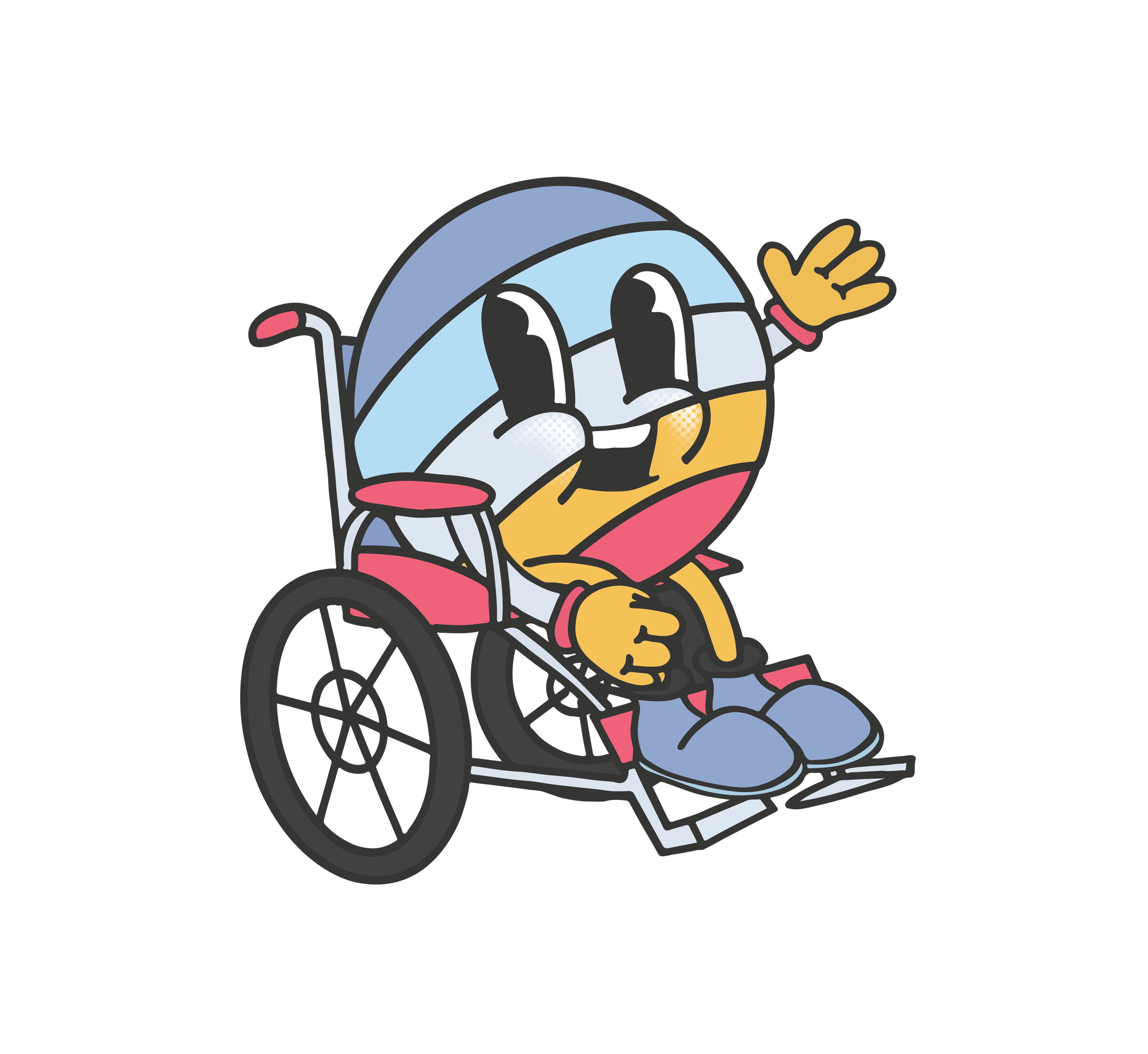
All kids learn, play, talk, and feel in different ways. When we celebrate those differences instead of trying to make everyone the same, we help every kid shine.

Goober’s Key things to know
Every Brain Has Its Own Game Settings
Some kids think fast, some think carefully, some think in pictures, and some in words. All of it is part of being human!

Strengths & Challenges Are Part of the Same Power-Up
Many neurodivergent kids have amazing abilities — creativity, focus, kindness, super memory, brilliant ideas.
They might also have tough moments. That’s okay! We all have things we’re great at and things we’re working on.

Communication Comes in Lots of Forms
Talking, signing, pointing, texting, using pictures — all communication is real communication. Everyone deserves the time and space to express themselves.

Sensory Needs Are Totally Valid
Some kids love quiet spaces. Some love to move!
Some need headphones, fidgets, or breaks from bright lights. These aren’t “extras” — they help kids feel safe and ready to join in.


Behavior = A Message
Stimming, pacing, covering ears, or meltdowns aren’t “bad.” They’re ways of saying, “I’m excited,” “I’m overwhelmed,” or “I need help.” Listening makes a HUGE difference.
Inclusion Is Everyone’s Superpower
When we include kids who think differently, everyone grows kinder, more curious, and more understanding.
Who Might Be Neurodivergent?
Lots of amazing brains fit under the neurodiversity umbrella, like:
Autistic thinkers
ADHD adventurers
Dyslexic learners
Kids with sensory processing differences
And many other unique brain styles!
Every one of these brains makes the world better.

How YOU Can Support Neurodivergent Kids
Be patient
Be flexible
Celebrate their strengths
Honor sensory needs
Give clear expectations
Ask, don’t assume
A little understanding goes a LONG way — trust me, I’m Goober!